Haven Lighting
A backyard pool party, one generative pipeline, no crew. A breakdown of how a twenty-five person call sheet became a solo production, and what it takes to hold cinematic quality without a camera.
Category:
AI Animation/Motion Graphics
Author:
Michael Scott
Client:
Haven Lighting
Location:
Remote
Date:

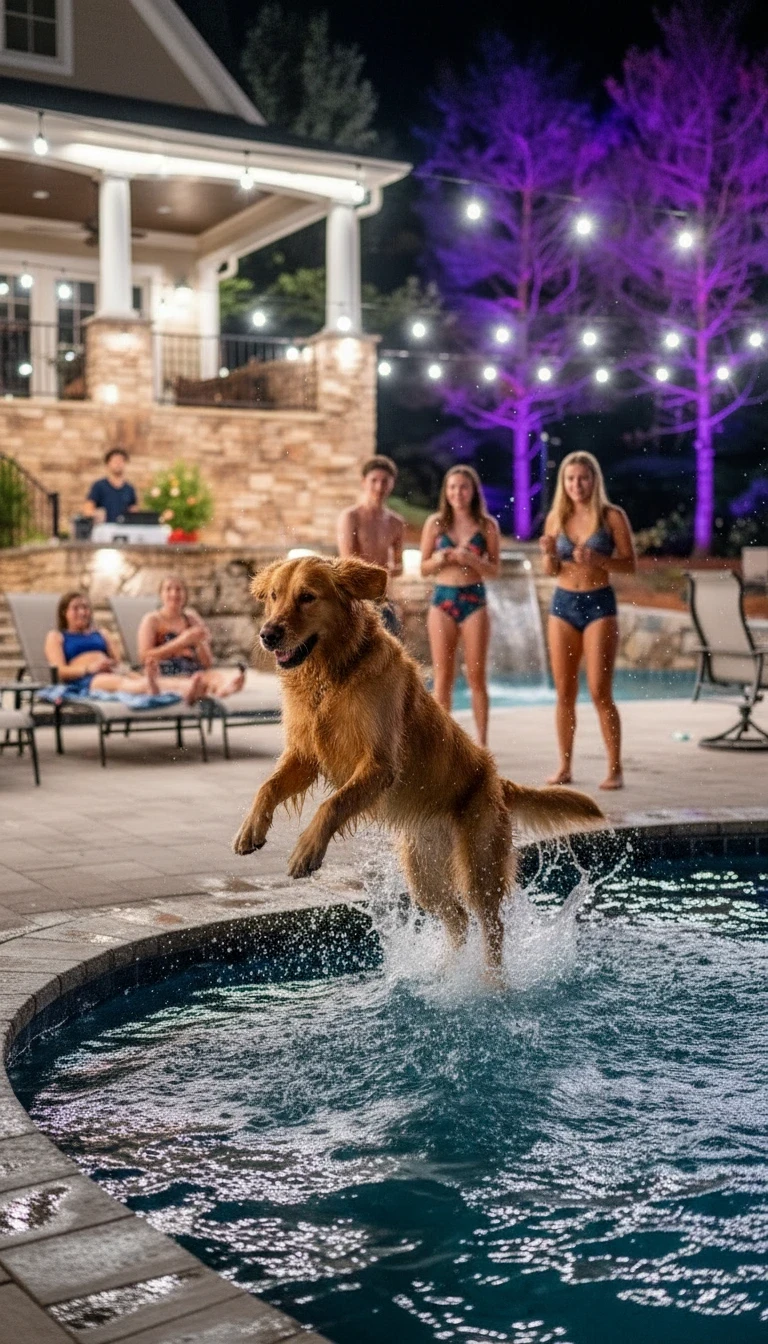
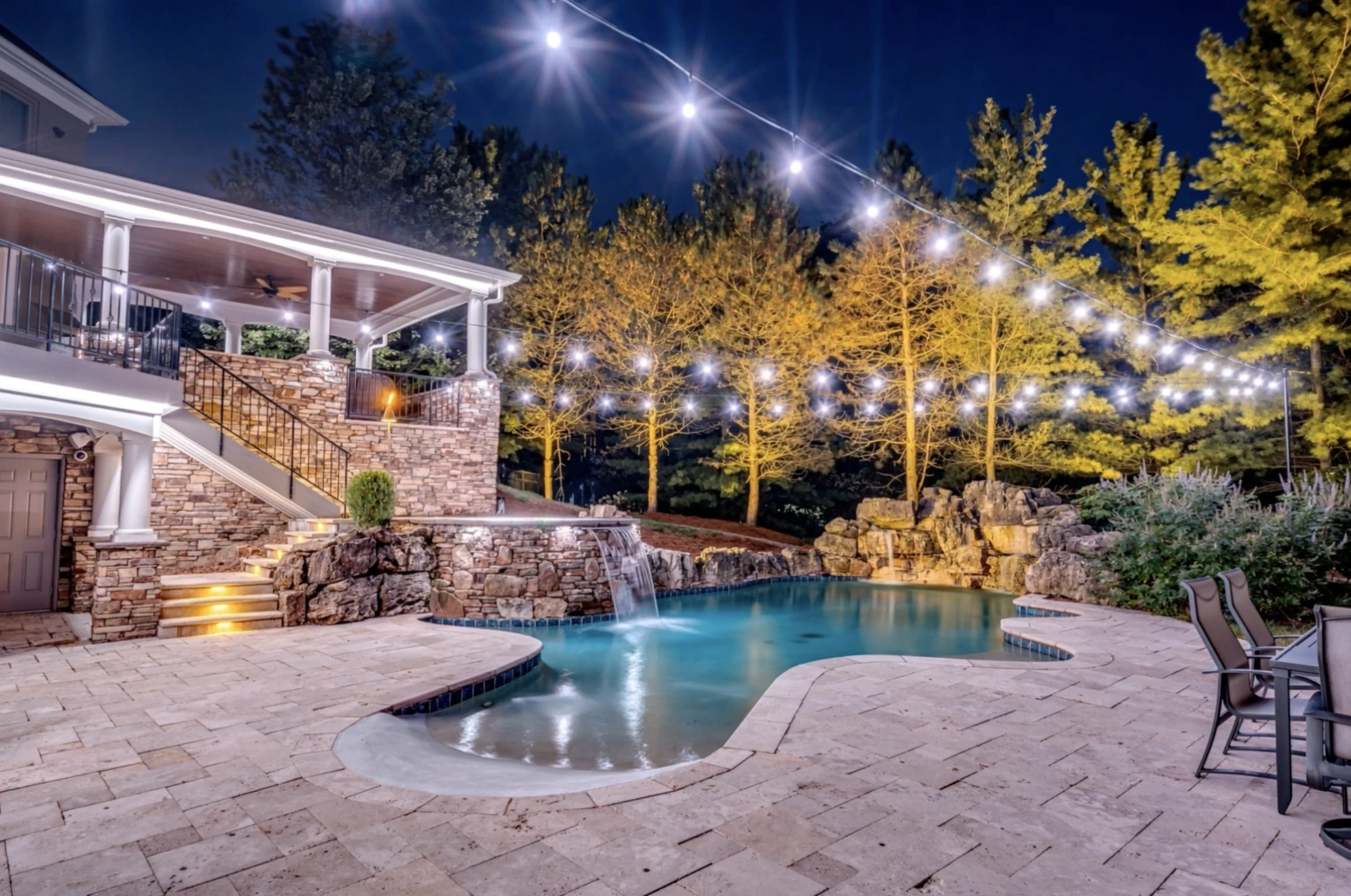
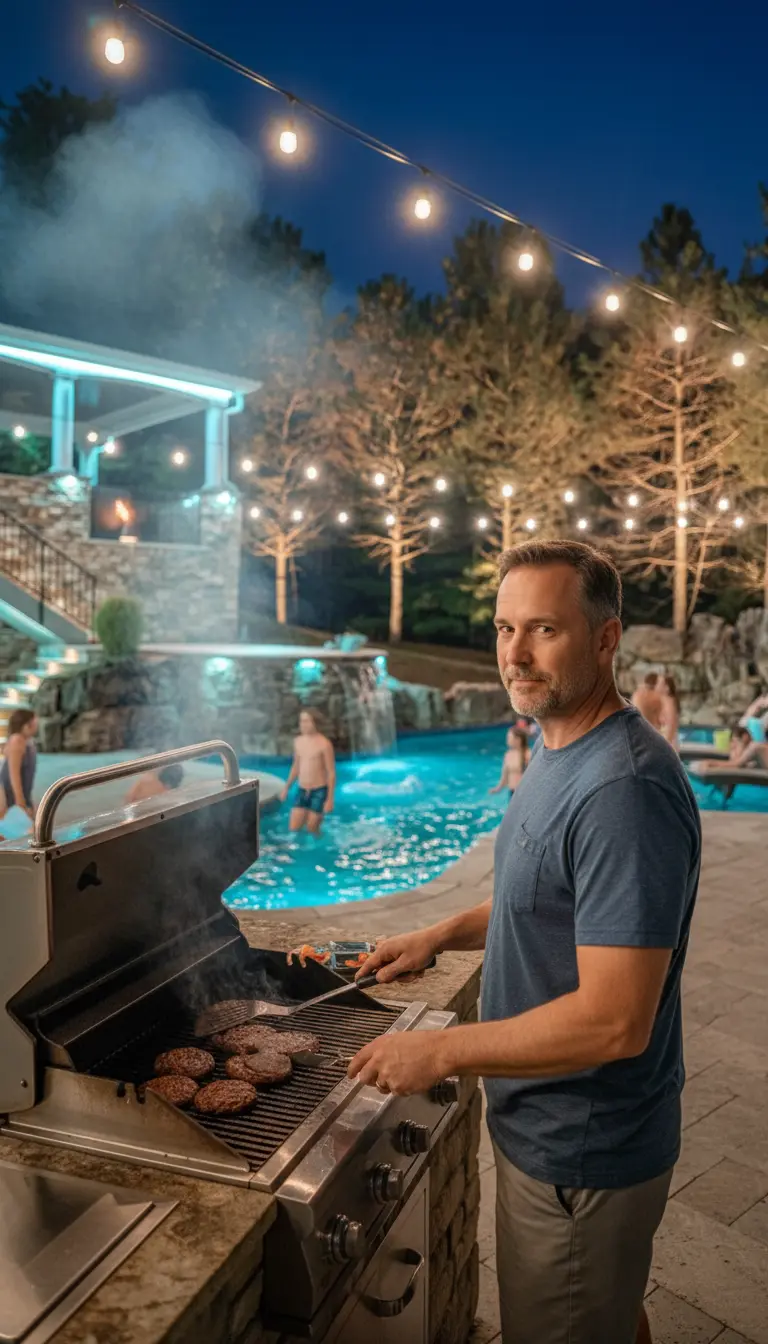
Haven brought me in as their first dedicated creative. The brand needed advertising that could hold its own on a feed and a screen, and it needed it at a velocity and a cost that conventional production does not offer.
So I stopped trying to shrink a traditional pipeline and built a different one. Every spot starts the same way any spot does: a concept, a script, a storyboard, a visual direction. That part is not new and it is not automatable. The brief still has to be read. The story still has to work. The frames still have to be composed by someone who knows why a shot is held three seconds instead of two.

I add nothing. I direct what is in front of me. It starts with the supplied product references. Not a prompt, not an idea of a product, the actual image the client supplied.
From there, I build the world around it. The reference is flat, so the first job is depth, extending the image into a space with somewhere to stand and somewhere to point a camera. Block the shots. Establish where the action happens, where the camera lives, what it sees from there. This is staging, and it is the same decision it has always been.

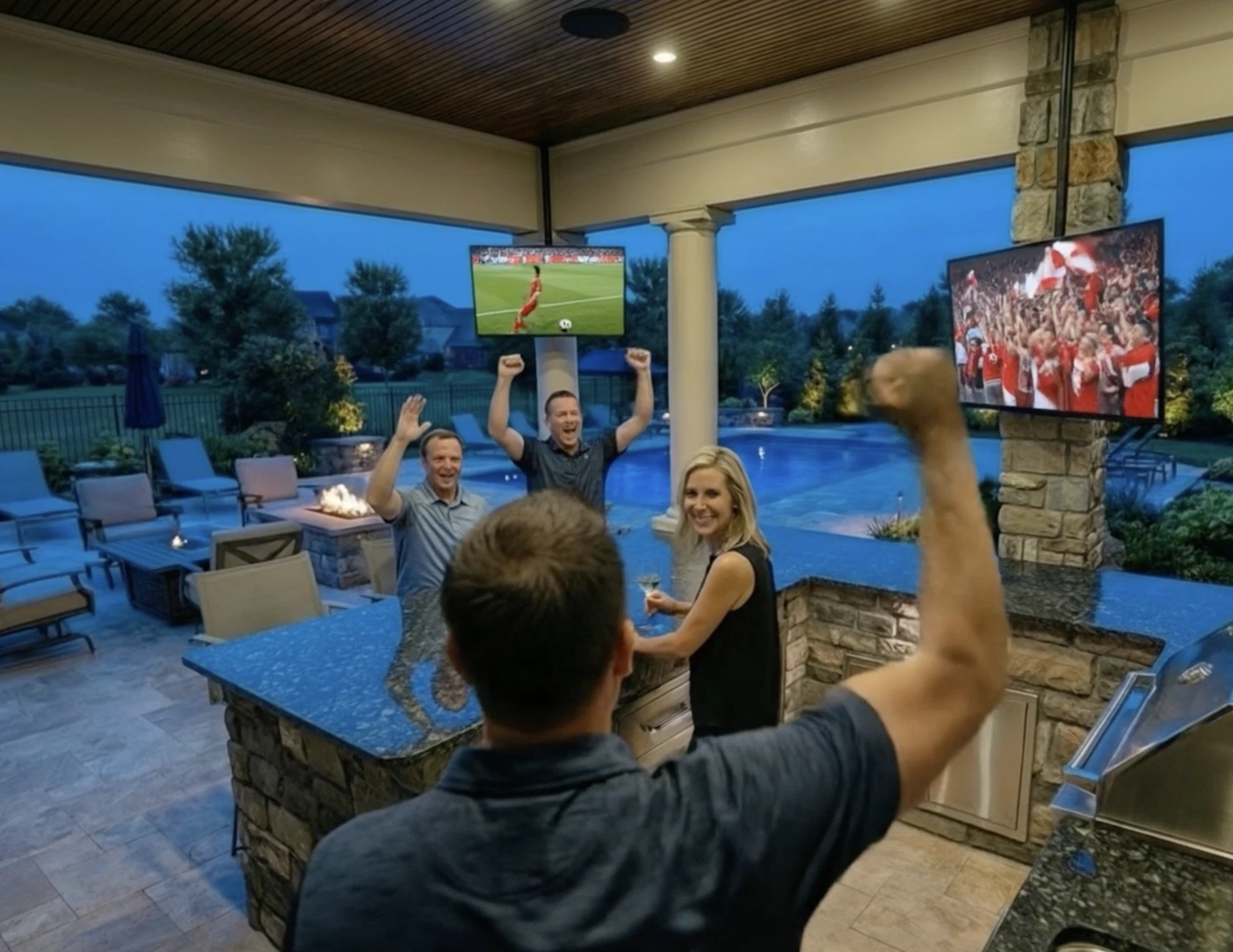


Lock the still. Resolve the scene as a single frame and get it right before anything moves.
This is the discipline the whole pipeline rests on. Motion generated straight from a prompt is a slot machine. Motion generated from a frame you have already composed is a shot. Then animate, to taste. Motion graphics and titling go on in After Effects. Sound and voice in post. Multi-format cuts come off the same source. Haven got advertising at a scale their budget does not conventionally buy. Five times. That is the argument for this pipeline, and it is why I built it.